

TL;DR:
- Shopfitting involves a coordinated process of designing, sourcing, and installing fixtures to create an efficient retail environment. Employing professional shopfitters reduces delays, ensures compliance, and enhances brand consistency, ultimately improving sales performance over 3 to 5 years. Small retailers should treat shopfitting as a significant investment, focusing on layout, fixtures, and adaptability from the start for optimal results.
Shopfitting is defined as the coordinated process of designing, supplying, and installing fixtures, fittings, and layouts that transform an empty retail shell into a fully functional, brand-aligned trading environment. It is the technical art of outfitting a space so it works as hard as you do. As Perfect Fit Interior describes it, shopfitting acts as a “silent salesperson,” shaping a customer’s first impression within seven seconds of entering your store. For small retail business owners, understanding what is shopfitting explained in practical terms means knowing it covers everything from shelving and counters to lighting, signage, and customer flow. Get it right and your store sells for you around the clock.
What does the shopfitting process involve?
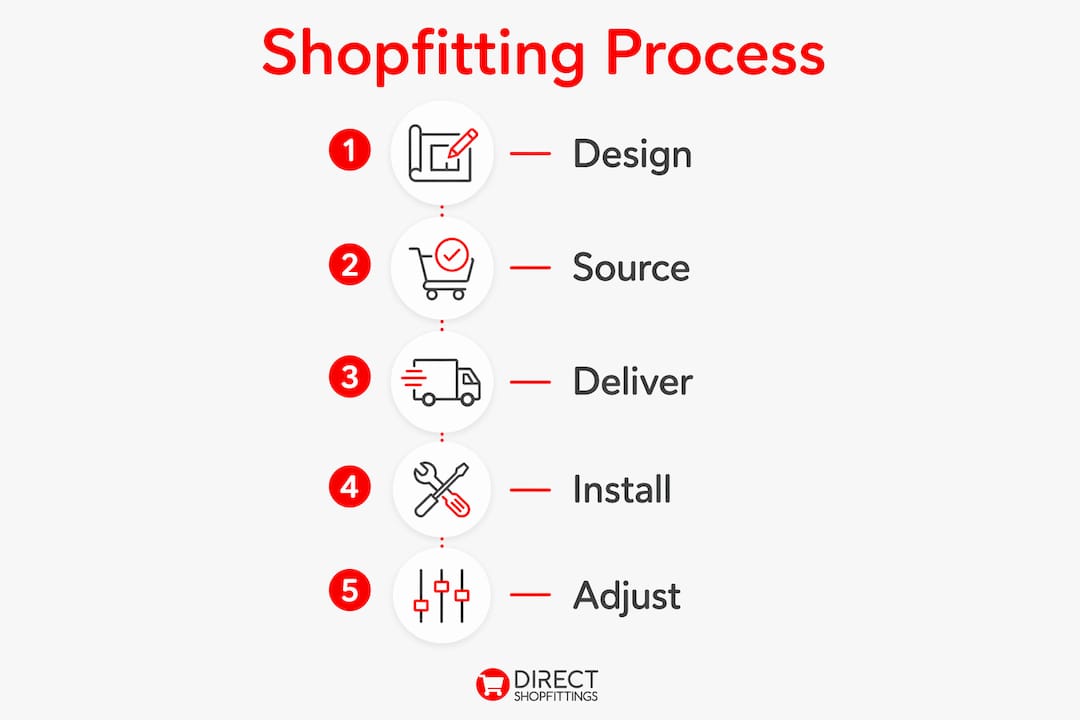
Shopfitting connects multiple layers of a store launch into one coordinated process, covering transport, installation, storage, and layout refinement. Each phase builds on the last, and skipping one creates costly problems downstream.
The process follows a clear sequence:
- Brief and design. You define your brand, product range, and customer journey. A shopfitter translates this into a spatial plan with fixture positions, traffic flow, and lighting zones.
- Fixture specification and manufacture. Custom joinery, shelving units, display counters, and signage are specified and either manufactured or sourced. This stage determines lead times, so it must begin early.
- Logistics and delivery. Materials arrive on site in the correct sequence. Flooring goes down before shelving. Electrical work precedes lighting installation. Poor sequencing here causes the majority of launch delays.
- On-site installation. Shopfitters assemble and fix all elements to plan. This includes counters, wall-mounted shelving, floor fixtures, signage, and lighting rigs.
- Snagging and readiness checks. Every fixture is tested for stability, alignment, and compliance. Lighting levels are adjusted. The layout is walked to confirm customer flow works as designed.
Pro Tip: Plan your fixture delivery dates backwards from your opening day. Add a minimum five-day buffer for snagging. Stores that skip this buffer are the ones that open with crooked shelving and dead spotlights.
The retail shelving buyers guide from DirectShopfittings is a useful reference when specifying shelving at stage two, particularly for owners who are selecting units for the first time.
Why hire a professional shopfitter instead of going it alone?
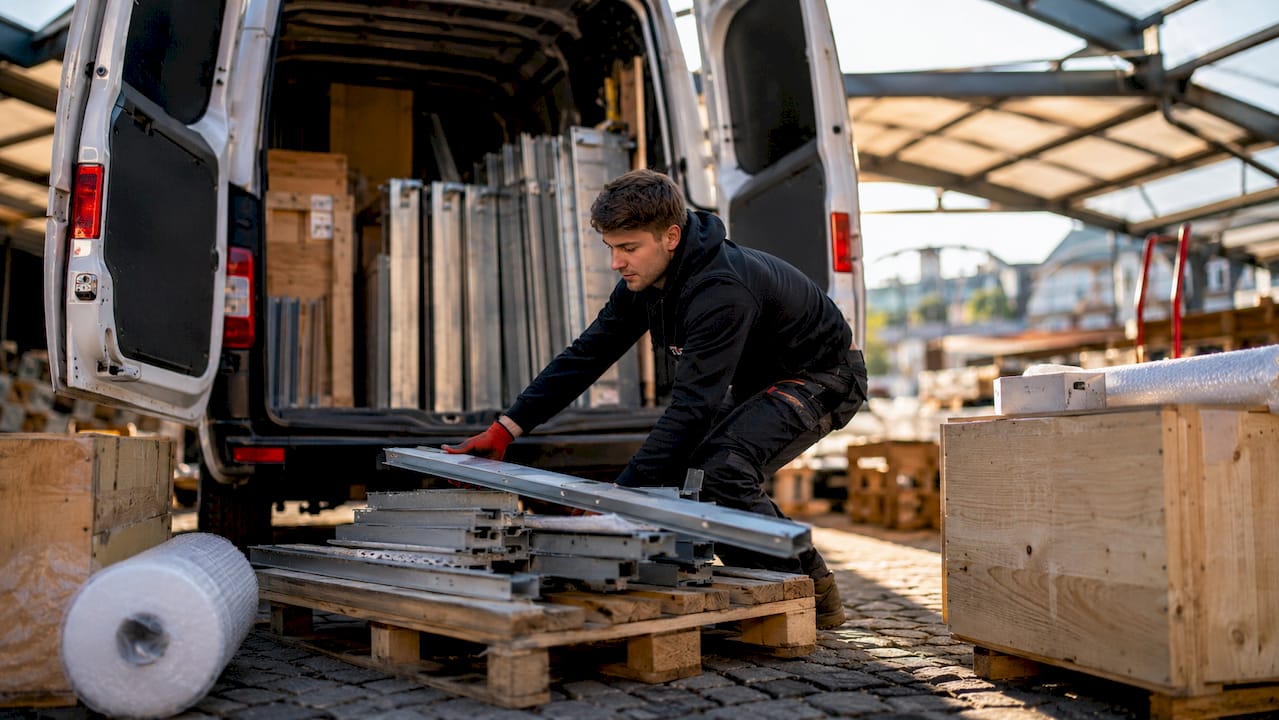
Working with a professional shopfitting company reduces setup confusion by up to 40% and cuts opening delays by as much as 30%, allowing stores to begin trading one to two days earlier. Those extra trading days matter enormously when you have rent, staff wages, and stock costs already running.
The benefits of hiring professionals extend well beyond speed:
- Management attention. A professional team handles logistics and on-site sequencing, freeing you to focus on staff training, product merchandising, and supplier relationships rather than firefighting on the shop floor.
- Compliance assurance. Shopfitters understand building regulations, fire safety requirements, and electrical standards. DIY fit-outs frequently fail inspections, adding cost and delay.
- Fewer redesigns. Experienced shopfitters spot layout problems on paper before they become expensive mistakes in timber and steel.
- Supplier relationships. Established shopfitting companies source fixtures faster and at better prices than individual retailers can negotiate independently.
- Brand consistency. Professionals translate your brand brief into physical space accurately. Fragmented contractors working without a single point of coordination rarely achieve this.
Pro Tip: Ask any shopfitter for three references from projects of similar size to yours. A company that fits out large department stores may not give your 500 sq ft boutique the attention it deserves.
Avoiding common retail display mistakes is far easier when a professional manages the fit-out from day one rather than correcting errors after opening.
Common misconceptions about shopfitting small retailers get wrong
Shopfitting is a complex technical art, not mere decoration, and it crucially influences customer perception and brand value within seconds. Yet most small retailers still treat it as a one-off aesthetic expense rather than a sales performance investment.
The reality is that experts view shopfitting as a 3–5 year investment in sales performance, tracking metrics like basket size and revenue per square metre from opening day. That shift in perspective changes every decision you make about budget, fixtures, and layout.
| Misconception | Reality |
|---|---|
| Shopfitting is just decoration | It is a technical process that directly shapes customer behaviour and sales performance |
| It is a one-time cost | It is a 3–5 year investment tracked through basket size and revenue per square metre |
| Any contractor can do it | Shopfitting requires coordinated expertise across design, logistics, joinery, and compliance |
| Lighting is an afterthought | Lighting integration is a core shopfitting discipline that influences dwell time and impulse purchases |
| Only large chains need professionals | Small retailers benefit most because they have the least margin for costly mistakes |
High-end counters and displays function beyond furniture. They physically manifest your business values and create a brand atmosphere that elevates the customer experience. A well-chosen counter tells a customer whether they are in a premium boutique or a budget outlet before a single word is spoken.
Pro Tip: Track average basket size and sales per square metre from your first week of trading. These two numbers tell you whether your shopfitting investment is paying back. Review them at six months and twelve months to identify underperforming zones.
For multi-site owners, a repeatable kit-of-parts approach standardising joinery, layouts, and materials reduces costs and setup times significantly across every new location. This is how small chains scale without reinventing the wheel each time.
How to shopfit your store: practical fixture and layout guidance
Good retail layout pulls customers from entrance to high-margin shelves and then to the counter, increasing exposure to last-chance purchases along the way. Fixtures must be tailored to your products, and lighting sells quietly in the background. Here is how to approach the practical side of fitting out your store.
Choosing the right fixtures for your products
Your fixtures must suit what you sell. Gondola shelving works well for packaged goods and convenience products. Slatwall panels suit clothing accessories and smaller items that benefit from adjustable display heights. Wooden display cubes and storage boxes with dividers suit gift shops, boutiques, and artisan retailers who want a tactile, premium feel. The types of retail fixtures guide from DirectShopfittings covers the full range for new store owners.
Planning customer flow and product exposure
Place your highest-margin products at eye level and along the natural path from entrance to counter. Position impulse buys near the till. Keep aisles wide enough for two customers to pass comfortably. Narrow aisles cause customers to abandon browsing when the store feels crowded. The retail floor fixtures guide explains how floor fixture placement shapes the customer journey in practical terms.
Integrating lighting and signage
Lighting integration within shopfitting directly influences customer behaviour and increases dwell time, which boosts impulse purchases. Warm white light suits food, gifts, and clothing. Cool white suits technology and hardware. Spotlights draw attention to hero products. The lighting and shelving integration guide from DirectShopfittings covers how to combine both disciplines effectively. For signage, physical outdoor signs remain a powerful driver of footfall. Research from YardSigns.com shows that outdoor signs outperform digital advertising for local retail businesses in driving new customer visits.
Budgeting realistically for your fit-out
Build a contingency of at least 15% into your shopfitting budget. Unexpected structural issues, extended lead times, and specification changes are normal on any fit-out project. Owners who budget to the penny consistently overspend. For multi-store owners, standardising your joinery set across locations reduces per-unit costs and simplifies parts management when repairs or replacements are needed.
The store opening equipment guide from DirectShopfittings is worth reading before you finalise your fixture list, particularly if this is your first store opening.
Key takeaways
Shopfitting is a coordinated technical process, not a decorating exercise, and treating it as a 3–5 year sales investment with tracked metrics is the single most important mindset shift small retailers can make.
| Point | Details |
|---|---|
| Shopfitting defined | It is the full process of designing, sourcing, and installing fixtures to create a functional retail environment. |
| Professional value | Hiring experts reduces setup confusion by up to 40% and cuts opening delays by as much as 30%. |
| Investment mindset | Track basket size and revenue per square metre from day one to measure return over 3–5 years. |
| Layout drives sales | Customer flow from entrance to counter, with eye-level product placement, directly increases basket size. |
| Scale with consistency | A kit-of-parts approach standardises joinery and layouts, reducing costs on every additional store you open. |
Why i think most small retailers underestimate shopfitting
I have seen too many small retailers treat shopfitting as the last item on the pre-opening checklist. They spend months on branding, social media, and stock selection, then rush the fit-out in the final two weeks. The result is a store that looks unfinished, flows awkwardly, and quietly loses sales from day one.
The uncomfortable truth is that your store layout is your most persistent sales tool. It works every hour you are open, without a salary or a day off. A poorly designed layout costs you money every single day, and most owners never connect the dots between a confusing floor plan and a low average transaction value.
What I find most interesting about shopfitting in 2026 is the growing emphasis on modular and adaptable fixtures. Retailers who build flexibility into their fit-out from the start can respond to seasonal changes, new product ranges, and shifting customer habits without a full refit. That adaptability is worth paying for upfront.
My honest advice is to set your shopfitting budget before you set your stock budget. The environment you sell in shapes how much customers spend. Get the environment right first, then fill it with product. And always track how fixtures affect turnover from the moment you open. The data will tell you everything you need to know about whether your investment is working.
— Lee
Find the right shopfitting supplies for your store
If you are planning a new store or refreshing an existing one, sourcing the right fixtures quickly and at the right price makes a significant difference to your project timeline and budget.
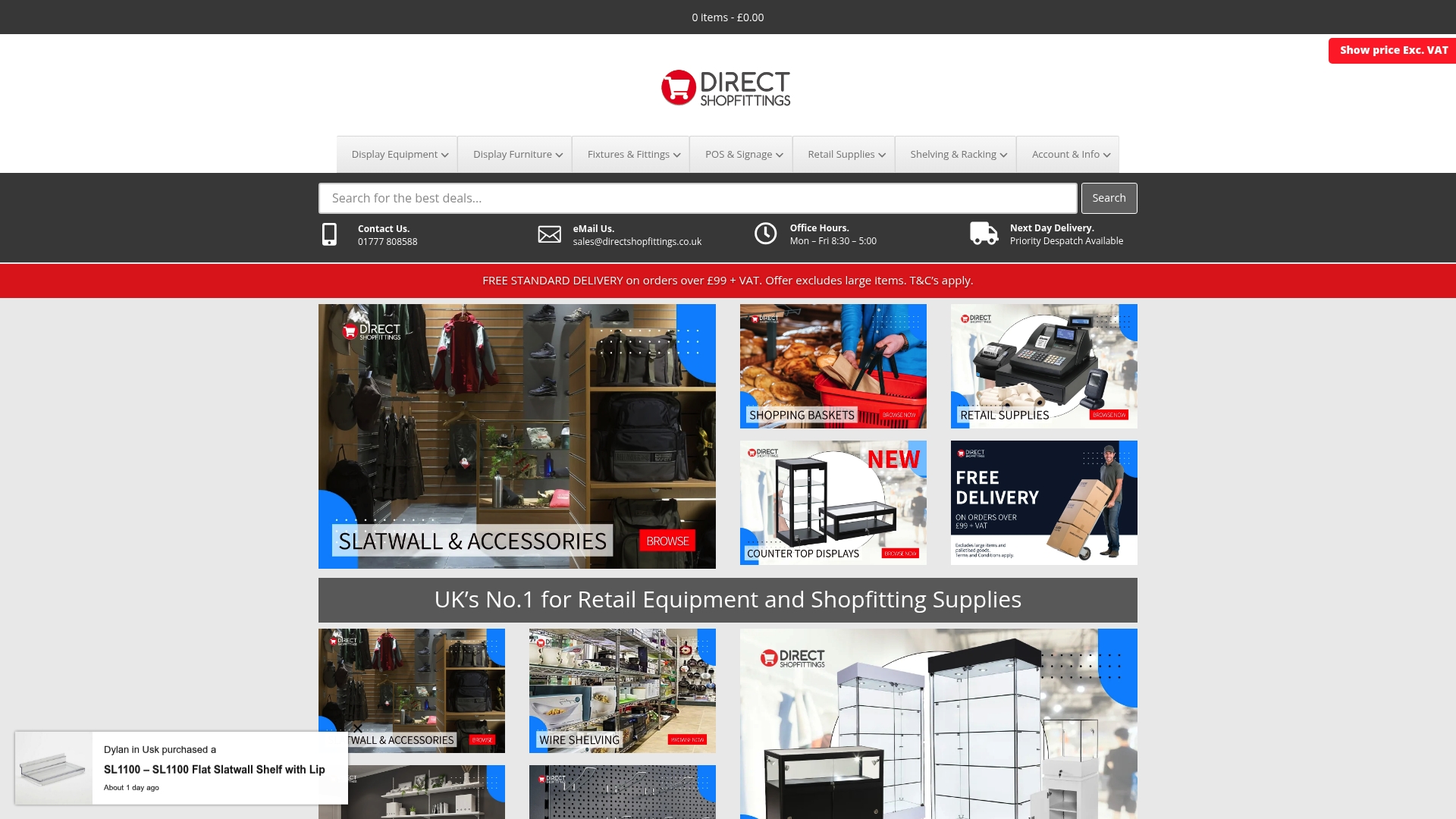
DirectShopfittings supplies a wide range of retail equipment and shopfitting products designed for small boutiques and large retail chains alike. Their supplier network means hard-to-find items are sourced efficiently, saving you time and reducing project complexity. From retail shelving and display counters to storage racking and display cubes, everything you need is available in one place. Visit DirectShopfittings to explore the full range and get your store fit-out moving in the right direction.
FAQ
What is shopfitting in simple terms?
Shopfitting is the process of designing and installing fixtures, fittings, and layouts that turn an empty retail space into a functional, branded store ready for trading.
How long does a typical shopfitting project take?
Most small retail fit-outs take two to six weeks from design sign-off to opening readiness, depending on the complexity of custom joinery and the size of the space.
Why hire a shopfitter rather than managing it yourself?
Professional shopfitters reduce opening delays by up to 30% and handle compliance, logistics, and sequencing so you can focus on merchandising and staff preparation instead.
What does shopfitting involve beyond fixtures and shelving?
Shopfitting covers custom joinery, lighting integration, signage, flooring, counter installation, customer flow planning, and final snagging checks to confirm everything meets safety and brand standards.
How much should a small retailer budget for a shopfit?
Budget varies widely by size and specification, but always include a contingency of at least 15% above your base estimate to cover structural surprises, lead time changes, and specification adjustments.