

TL;DR:
- Counter display units are compact fixtures designed to increase impulse sales of small, fast-moving products at checkout.
- Choosing the right format, material, and size is essential for effectiveness and durability in a retail environment.
Counter display units, known in the trade as CDUs, are compact retail fixtures designed to trigger impulse purchases at the point of sale. The right countertop display stand types can meaningfully lift sales on small, fast-moving products like snacks, cosmetics, and accessories. The wrong choice gets removed by staff within days. This guide covers the main display formats, material options, and selection principles that retail owners need to make the right call the first time.
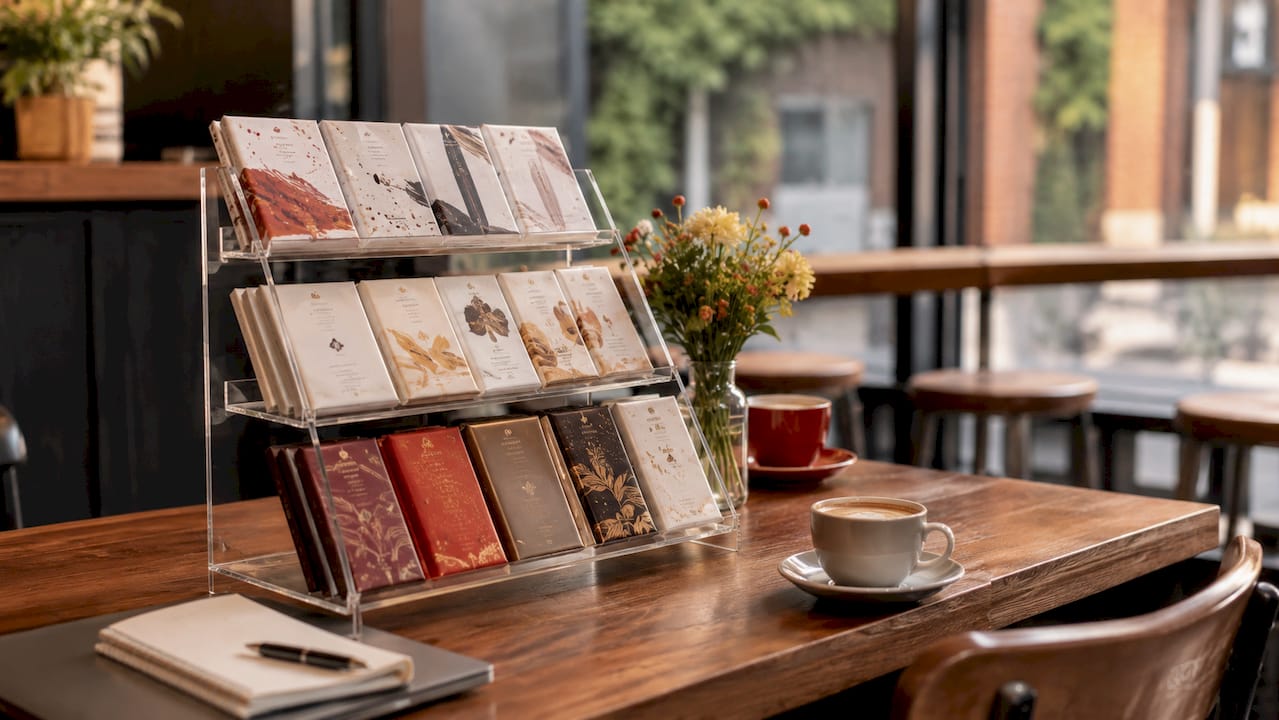
CDUs are typically under 500mm tall and built specifically for impulse products at the transaction point. That size constraint is not arbitrary. It keeps the display within the customer’s natural sightline during checkout without blocking staff or obstructing the till area. The four core formats, open trays, tiered shelving, gravity-feed dispensers, and rotating carousels, each serve a distinct purpose depending on product type, turnover rate, and available counter space.
1. What are the main countertop display stand types?
Four functional types dominate the countertop display market: open trays, tiered units, gravity-feed dispensers, and rotating carousels. Each format suits a different product profile and retail environment. Understanding the difference before you buy saves you from a costly mismatch.
Open tray displays are the simplest format. They present products in a single flat or shallow container, giving customers immediate, unobstructed access. This format works best for high-turnover items like confectionery, lip balms, or small gift cards where speed of selection matters.
Tiered units stack products across two, three, or four levels. A 2-tier counter display with baskets, for example, lets you show multiple product variants without expanding the footprint. Tiered formats suit products where variety drives the sale, such as nail polishes, phone accessories, or travel-sized toiletries.
Gravity-feed dispensers use a sloped channel so products automatically slide forward as the front unit is taken. Stock always looks full and tidy without staff intervention. This format suits uniform, packaged goods like chewing gum, batteries, or blister-packed items.
Rotating carousel stands spin on a central axis, giving customers access to all sides of the display without moving. They maximise product exposure in a tight footprint. Carousels work particularly well for keyrings, earrings, or any small product where browsing is part of the purchase behaviour.
Pro Tip: Match the display format to how customers actually shop the product. If they grab and go, use a tray. If they browse and compare, use a carousel or tiered unit.
2. How materials affect durability and display quality
Material selection directly determines display lifespan, cost, and the impression the unit makes on customers. Choosing the wrong material for your environment is one of the most common and expensive mistakes retail owners make.
Cardboard is the most budget-friendly option and suits temporary or seasonal promotions. It is lightweight, easy to brand with full-colour print, and simple to dispose of after a campaign. The limitation is longevity. Cardboard degrades quickly in humid environments or under the weight of heavy products.
Acrylic delivers a premium, transparent finish that suits cosmetics, tech accessories, and jewellery. It shows off the product rather than competing with it visually. Acrylic is also easy to clean and holds its appearance well over time, making it a strong choice for permanent countertop display solutions.
Metal is the most durable option for high-traffic, permanent counters. A 3-tier wire display stand in steel, for instance, withstands constant handling and restocking without warping or fading. Metal suits environments where the display will be in use for a year or more.
Wood offers a natural, artisanal aesthetic that suits independent retailers, gift shops, and farm shops. A vintage grey wooden stand communicates quality and care in a way that plastic or metal cannot. Wood is heavier than cardboard or acrylic, which actually improves stability on a busy counter.
The practical rule is straightforward. Match the material lifespan to the display’s intended duration. A six-week seasonal promotion does not need a metal stand. A permanent fixture at a pharmacy counter does not belong in cardboard.
3. Why stability matters more than you think
Bulky or unstable units are routinely removed by store staff regardless of how well-designed they look. Counter space is premium real estate in any retail environment. A display that tips, wobbles, or crowds the till gets pulled within days of placement.
A low centre of gravity and a wide base are the two most important structural features in any countertop unit. These qualities reduce the risk of tipping when a customer reaches past the display or knocks it accidentally. Prototype testing on a real counter before committing to a full production run is standard practice in professional retail display design.
Base width is often underestimated. A tall, narrow unit loaded with product at the top is inherently unstable. The weight distribution should always favour the base. For cardboard units carrying heavier products, double-wall corrugated construction with internal reinforcement buffers prevents sagging and early structural failure.
Metal framing and wooden bases both add meaningful weight at the bottom of a unit, which naturally improves stability. Acrylic units benefit from a weighted base plate or a wider footprint to compensate for the material’s light weight.
Pro Tip: Before finalising any countertop display, place a loaded prototype on the actual counter where it will live. Ask a staff member to reach past it naturally. If it moves, the base needs to be wider or heavier.
4. Compactness and counter flow
Countertop units must be easy to restock and must not disrupt the transaction flow between staff and customers. A display that forces the cashier to lean around it or the customer to step back fails its primary job, regardless of how well it presents the product.
The standard industry guidance is to keep CDUs under 500mm in height. Beyond that threshold, the display begins to interfere with eye contact and communication at the till. Width and depth matter equally. A unit that extends too far across the counter reduces the usable transaction space and creates friction at busy periods.
Restocking speed is a practical consideration that many retail owners overlook at the buying stage. Open trays and gravity-feed dispensers are the fastest to replenish. Tiered units with individual baskets take longer but are still manageable. Rotating carousels require the most attention during restocking because product must be loaded evenly to maintain balance.
The best countertop display solutions are the ones staff actually maintain. If restocking is slow or awkward, the display gets neglected and looks empty. An empty display sells nothing and reflects poorly on the store.
5. Matching display type to product and retail strategy
Product turnover rate is the primary guide for choosing a display format. Fast-moving products need fast-access formats. Slower, higher-value products benefit from presentation formats that communicate quality.
The table below maps product types to the most effective display formats and materials.
| Product type | Recommended format | Best material |
|---|---|---|
| Confectionery, gift cards | Open tray | Cardboard or acrylic |
| Cosmetics, nail polish | Tiered unit | Acrylic or metal |
| Batteries, blister packs | Gravity-feed dispenser | Cardboard or metal |
| Jewellery, keyrings | Rotating carousel | Metal or acrylic |
| Artisan gifts, candles | Tiered wooden stand | Wood |
For small stores or counters with limited space, compact and unobtrusive designs are non-negotiable. A rustic 4-tier display stand in wood, for example, stacks vertically rather than spreading horizontally, which preserves counter space while maximising product capacity.
Seasonal or one-off promotions suit cardboard displays precisely because they are disposable. There is no value in investing in a metal or acrylic unit for a four-week Christmas push. Cardboard units can be fully branded, assembled quickly, and recycled after the campaign ends.
Brand alignment is the final filter. A premium skincare brand placed in a basic cardboard tray sends a confusing message to customers. The display is part of the product’s presentation. A retail display fixture that matches the brand’s visual identity reinforces the purchase decision rather than undermining it.
The most effective countertop displays combine the right format, material, and footprint for the specific product and counter environment.
The retail counter display benefits extend beyond impulse sales. A well-chosen display reduces restocking time, keeps the counter tidy, and signals to customers that the store is well-managed. These are compounding advantages that a poorly chosen display actively works against.
Key takeaways
The most effective countertop display stand matches format, material, and footprint to the specific product and counter environment, not the other way around.
| Point | Details |
|---|---|
| Format follows product behaviour | Use open trays for grab-and-go items; use carousels or tiered units for browse-and-compare products. |
| Material matches display duration | Cardboard suits short promotions; acrylic and metal suit permanent countertop display solutions. |
| Stability prevents removal | A wide base and low centre of gravity stop staff from pulling the display off the counter. |
| Compactness protects counter flow | Keep units under 500mm tall and narrow enough to leave clear transaction space at the till. |
| Brand alignment reinforces sales | The display’s material and finish should match the product’s price point and visual identity. |
What I have learned from watching displays succeed and fail
The most common mistake I see retail owners make is choosing a display based on how it looks in a catalogue photo rather than how it will function on their specific counter. A beautifully engineered rotating carousel that takes up 40% of the till area will be gone within a fortnight. Staff will move it, and it will never go back.
The displays that stay in place longest are almost always the least dramatic. A simple tiered wire unit that restocks in under two minutes, sits within the counter’s natural footprint, and does not wobble when someone reaches past it will outlast a far more expensive acrylic showpiece that nobody can be bothered to maintain.
Sustainability is genuinely shifting material choices in 2026. Retail owners are asking harder questions about cardboard sourcing and whether acrylic units can be returned or repurposed. This is not just ethics. It is also cost management. A metal or wooden unit that lasts three years costs less per month than a cardboard unit replaced every six weeks.
My strongest advice is to involve your counter staff before you commit to any display. They know exactly how customers move, where they reach, and what gets in the way. That conversation takes twenty minutes and can save you from a decision you will regret within a week of the display going live.
— Lee
Display stands and shopfitting solutions from DirectShopfittings
DirectShopfittings stocks a wide range of countertop display units, from wire tiered stands and wooden multi-tier displays to acrylic and metal options suited to permanent retail use.
Whether you are setting up a new counter display or replacing units that are no longer working, DirectShopfittings can help you find the right fit for your product range and budget. The team has experience sourcing hard-to-find display formats and can advise on what works for specific retail environments. For a broader view of how display fixtures fit into your overall shop setup, the retail display fixture guide is a practical starting point. You can also browse the full range at DirectShopfittings or get in touch directly for tailored recommendations.
FAQ
What is a countertop display unit (CDU)?
A countertop display unit is a compact retail fixture, typically under 500mm tall, placed at the point of sale to encourage impulse purchases of small products such as snacks, cosmetics, and accessories.
Which countertop display stand type is best for fast-moving products?
Open tray displays are best for fast-moving, low-consideration products. They give customers immediate access and are the quickest format to restock.
How do I choose between cardboard and acrylic display stands?
Choose cardboard for short-term promotions lasting a few weeks. Choose acrylic for permanent countertop display solutions where a premium finish and durability are required.
Why do some countertop displays get removed by store staff?
Displays are removed when they are too large, unstable, or disrupt the transaction area. A compact footprint, low centre of gravity, and wide base are the key features that keep a display in place.
Can I use a wooden display stand on a retail counter?
Wooden stands suit independent retailers and artisan product ranges well. Their natural weight improves stability, and their finish communicates quality, making them a strong choice for gift shops, farm shops, and boutiques.